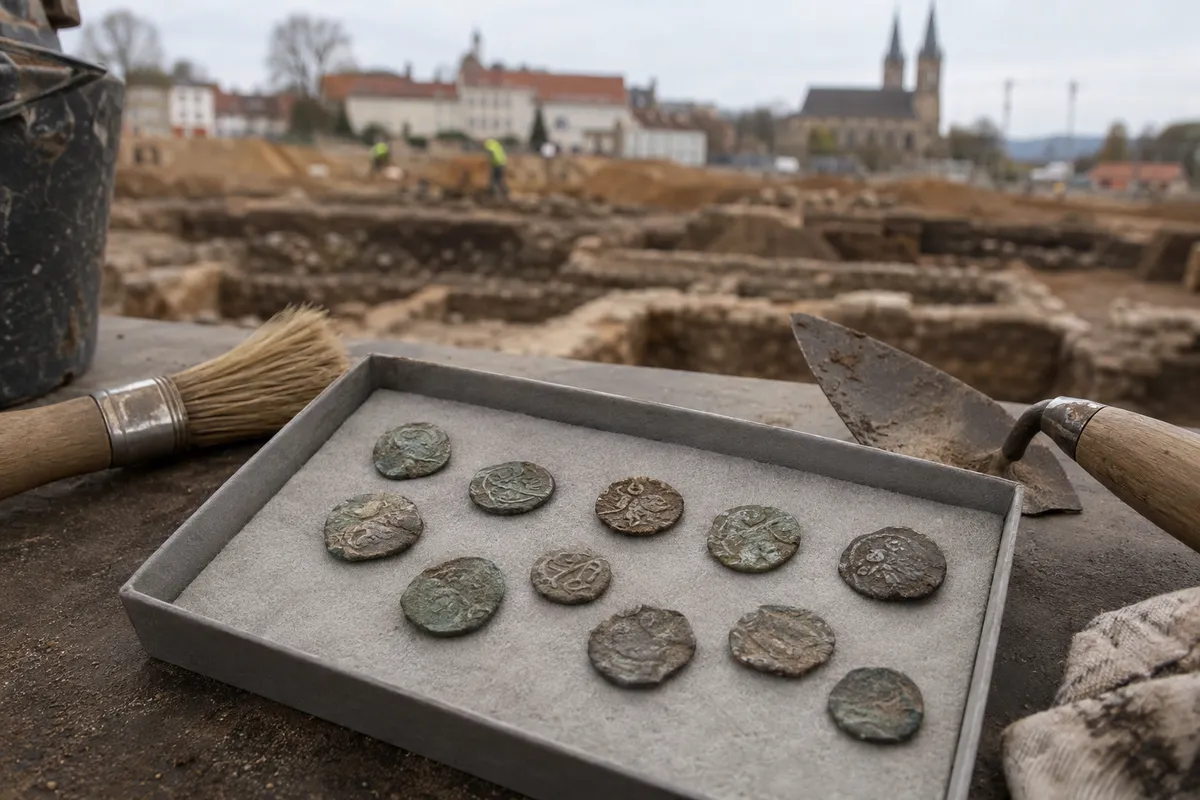
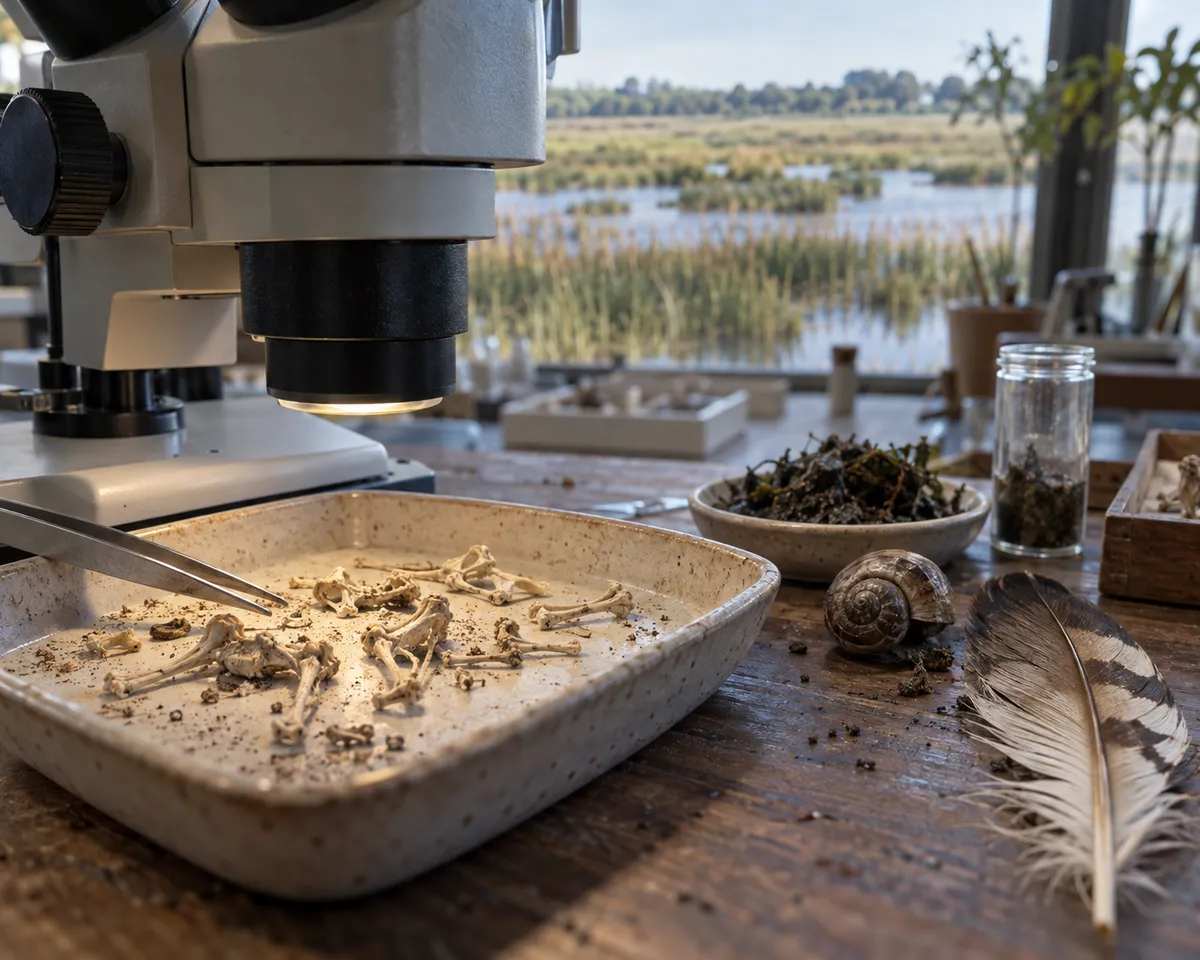
Ten years ago, archaeologists digging a ditch near the Fen edge in Britain found something odd: roughly 8,000 frog bones packed into a single Roman-era feature. Now, per a report on Phys, researchers at Bournemouth University and the Museum of London Archaeology (MOLA) say they have identified the likely culprits. Not people. Birds.
By the end of this article, you'll know how researchers read a pile of tiny bones like a crime scene, and why a heap of dead frogs can tell you about forests, wetlands, and hunting owls nearly 1,700 years ago.
The Mystery: Thousands of Frogs, One Ditch
Eight thousand bones in one place is not a normal scatter of wildlife remains. Something had gathered, killed, or deposited a huge number of frogs in one spot. The obvious questions follow. Did people eat them? Did a disaster wipe them out? Did something else collect them?
The answer, according to the research, points to a predator: the frogs were likely eaten by short-eared owls or hen harriers.
The Clues That Pointed to Birds
The team's conclusion rests on several kinds of evidence working together, per the Phys report:
- Bone analysis. The condition of the bones themselves is what lets researchers judge what kind of animal handled them. Predators leave recognizable signs on prey remains, and that is the core of the owl-or-harrier identification.
- Radiocarbon dating. This anchors the frogs in time, placing the deposit in the Roman period rather than leaving it as a vague "old" find.
- Environmental evidence. Clues from the surrounding landscape show what the area looked like when the frogs were living and dying.
No single clue closes the case. Together they make a bird predator the best explanation.
Why Frogs, and Why So Many?
Here is where the story gets bigger than one ditch. The researchers suggest that changing wetlands and deforestation created a seasonal frog feast. As the landscape opened up and wet ground expanded, conditions favored huge numbers of frogs gathering at certain times of year. For open-country hunters like short-eared owls and hen harriers, that is an easy, abundant meal.
In other words, the frogs weren't the main story. The landscape was. People clearing trees and shaping the land changed what lived there and who came to eat it, a ripple effect through the food chain that no written Roman record mentions.
How Tiny Bones Rewrite Environmental History
This is the practical takeaway for anyone curious about how archaeology works: small, unglamorous remains can answer large questions. A frog bone is easy to overlook. But a few thousand of them, dated and examined alongside environmental evidence, can reveal:
- What the local habitat was like (wet, open, wooded)
- How land use was changing
- Which wild predators were active nearby
- How the seasons shaped wildlife behavior
That is a lot of information from animals that never appeared in a Roman ledger.
Why This Kind of Archaeology Keeps Gaining Fans
Much popular history focuses on kings, battles, and monuments. Studies like this one fill in the everyday world: the damp fields, the birds overhead, the ditches people dug. It's history from the ground up, and it shows that ordinary landscapes were busy ecosystems in which human choices had consequences for wildlife.
A Caution on Certainty
Note the wording: the frogs were likely eaten by short-eared owls or hen harriers. The researchers are not claiming a signed confession from one specific bird. The evidence narrows the field to a type of predator and a plausible ecological story, which is how careful science handles a 1,700-year-old cold case.
The Takeaway
Next time you pass a ditch, a pond, or a patch of wet ground, look at it as a record. The smallest remains in the soil, like these thousands of frog bones, can hold the story of how a landscape changed and who was watching from above.